Exosome Therapy in Alzheimer's Disease: A Nanobiotechnology Approach – Next-Generation Therapeutic Opportunities
DOI:
https://doi.org/10.22034/LSSJ.2026.211Keywords:
exosomes; Alzheimer's disease; blood-brain barrier; nanobiotechnology; APOE; drug deliveryAbstract
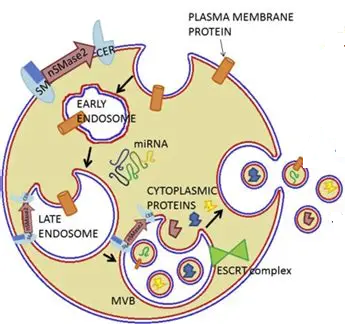
Alzheimer’s disease (AD) remains one of the most formidable neurodegenerative challenges of the 21st century, characterized by progressive cognitive decline, extracellular amyloid-beta (Aβ) plaque deposition, and intracellular neurofibrillary tangles of hyperphosphorylated tau. Traditional pharmacological interventions struggle to achieve therapeutic efficacy, primarily due to their inability to cross the highly restrictive blood-brain barrier (BBB) and their lack of cell-specific targeting. Nanobiotechnology has emerged as a transformative paradigm, leveraging engineered extracellular vesicles—specifically exosomes—as next-generation drug delivery systems. As natural nano-shuttles (30–150 nm), exosomes possess inherent biocompatibility, low immunogenicity, and the capacity to cross biological membranes. This review comprehensively synthesizes the nanobiotechnology foundations of exosome engineering, exploring advanced methods for therapeutic cargo loading (including small molecules, proteins, and RNA-based therapies) and surface functionalization strategies aimed at enhancing brain tropism. We critically evaluate preclinical and emerging clinical evidence of exosome-mediated interventions targeting key AD pathological hallmarks: Aβ clearance, tau phosphorylation cascades, chronic neuroinflammation, and synaptic loss. Finally, we address the formidable obstacles to clinical translation, including scalable manufacturing, standardized isolation protocols, regulatory frameworks, and long-term safety profiles, outlining a strategic roadmap for the realization of exosome-based nanomedicine in AD therapeutics.
Downloads
Published
How to Cite
Issue
Section
License
Publisher's Own License
This work is licensed under the publisher's own license, which allows for sharing and use under specific conditions. Attribution is required; users must give appropriate credit to the original creator. Additionally, this license includes a No Commercial Usage clause, meaning that the work cannot be used for commercial purposes or for profit. Users are encouraged to share and adapt the content non-commercially, provided they adhere to these guidelines. Please ensure that you respect the terms of this license to promote a collaborative and respectful use of the work.
